
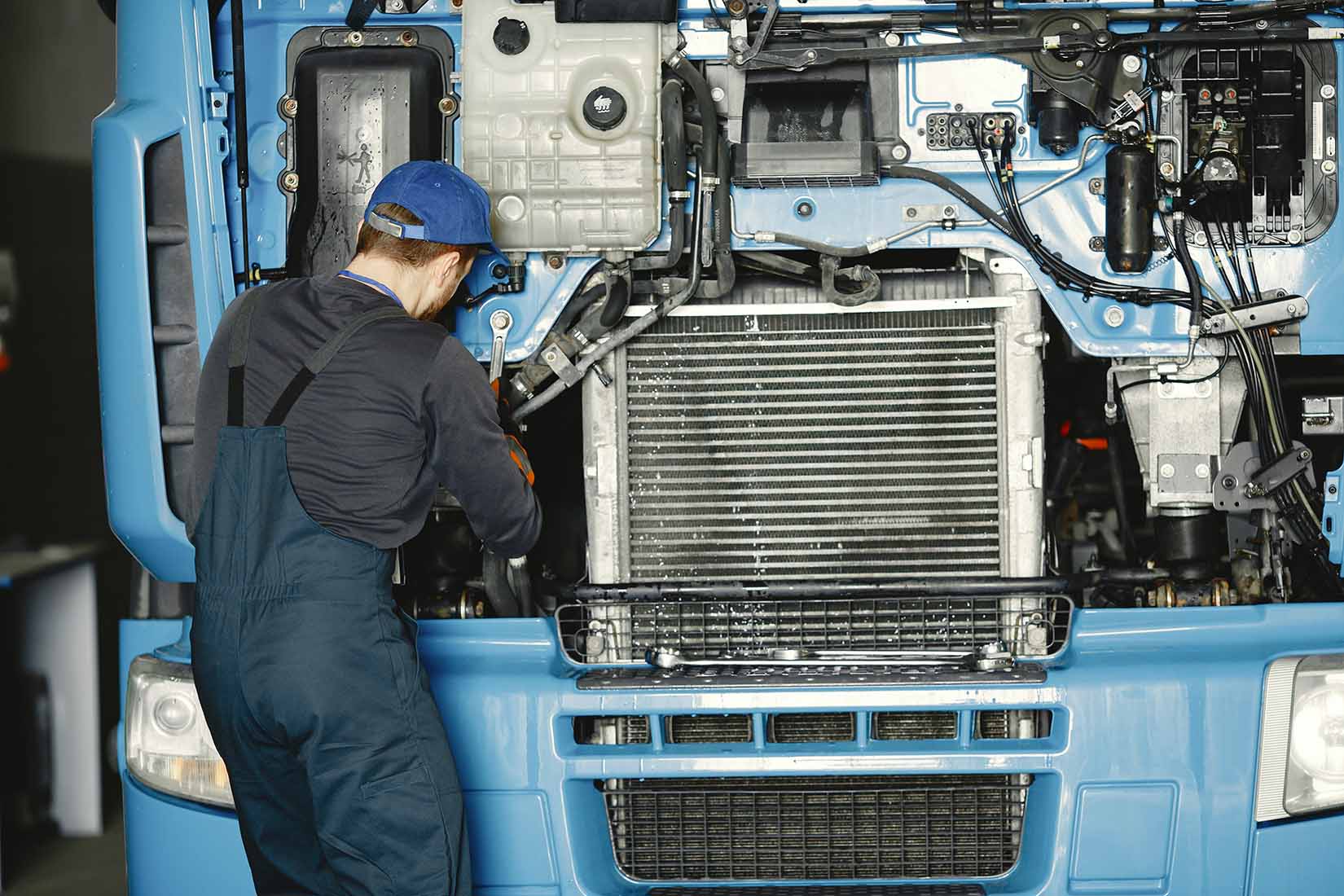
SUVs and trucks are built for strength, versatility, and demanding workloads. Whether used for family transport, towing, or off-road driving, these vehicles experience more mechanical stress than standard passenger cars. Targeted auto service helps SUVs and trucks remain reliable, efficient, and safe throughout their lifespan.
Prioritize Drivetrain and Transmission Care
SUVs and trucks often feature all-wheel drive or four-wheel drive systems, which require consistent attention. These systems handle higher torque and heavier loads.
Essential drivetrain maintenance includes:
- Transfer case fluid inspection and replacement
- Differential servicing
- Transmission fluid changes
Keeping these components properly lubricated prevents overheating and premature wear.
Monitor Suspension and Steering Components
Due to increased vehicle weight and load capacity, suspension systems in SUVs and trucks wear faster. Poor suspension affects handling, tire life, and ride comfort.
Key areas to inspect regularly:
- Shocks and struts
- Ball joints and control arms
- Steering linkages and bushings
Early replacement improves stability and reduces stress on the chassis.
Maintain Brake Systems for Heavy Loads
Brakes on SUVs and trucks work harder, especially during towing or hauling. Neglecting brake maintenance can lead to reduced stopping power and uneven wear.
Best practices include:
- Frequent brake pad inspections
- Rotor condition checks
- Brake fluid replacement at recommended intervals
Strong brakes are critical for both safety and long-term durability.
Keep Tires Properly Maintained
Tires play a major role in handling and fuel efficiency. SUVs and trucks often use larger tires that require careful monitoring.
Tire maintenance tips:
- Maintain proper inflation for load conditions
- Rotate tires regularly to ensure even wear
- Check alignment after off-road use or heavy hauling
Proper tire care improves traction and extends tire lifespan.
Protect the Cooling System Under Heavy Use
Towing, off-roading, and long-distance driving place extra demands on the engine cooling system. Overheating can cause severe engine damage.
Cooling system service should include:
- Coolant flushes and level checks
- Radiator and hose inspections
- Fan and thermostat testing
A healthy cooling system supports engine longevity under stress.
Adjust Oil Change Intervals for Usage
SUVs and trucks used for towing or frequent short trips may need more frequent oil changes. Heavy-duty use accelerates oil breakdown.
Service recommendations include:
- Using manufacturer-approved oil grades
- Shortening oil change intervals for severe driving
- Replacing oil filters consistently
Clean oil reduces internal friction and engine wear.
Don’t Ignore Undercarriage and Frame Inspections
Off-road driving and winter conditions expose undercarriages to dirt, moisture, and road salt. Regular inspections help prevent corrosion and damage.
Focus on:
- Frame integrity
- Exhaust system condition
- Protective coatings and shields
Maintaining the undercarriage preserves structural strength.
Customize Maintenance to Driving Conditions
SUVs and trucks are often driven in varied environments. Service schedules should reflect how the vehicle is actually used.
Customized maintenance helps:
- Prevent unexpected breakdowns
- Improve reliability during heavy use
- Extend overall vehicle lifespan
Strong Vehicles Need Smart Maintenance
SUVs and trucks are designed for demanding roles, but durability depends on consistent, vehicle-specific auto service. Proper care ensures these vehicles continue delivering power, safety, and reliability year after year.
Frequently Asked Questions
How often should SUVs and trucks be serviced?
Most benefit from inspections every 5,000 to 7,500 miles, with adjustments for towing or off-road use.
Do SUVs and trucks need more frequent brake service?
Yes. Added weight and load capacity cause faster brake wear compared to smaller vehicles.
Is towing considered severe driving?
Yes. Towing places extra stress on the engine, transmission, and cooling system.
Should four-wheel drive systems be serviced regularly?
Absolutely. Transfer cases and differentials require periodic fluid replacement.
Can improper tire pressure affect fuel economy in trucks?
Yes. Incorrect tire pressure increases rolling resistance and fuel consumption.
Are oil change intervals shorter for work trucks?
Often yes, especially when vehicles are used for hauling or frequent short trips.
Does off-road driving require additional maintenance?
Yes. Off-road use increases wear on suspension, tires, and undercarriage components.