
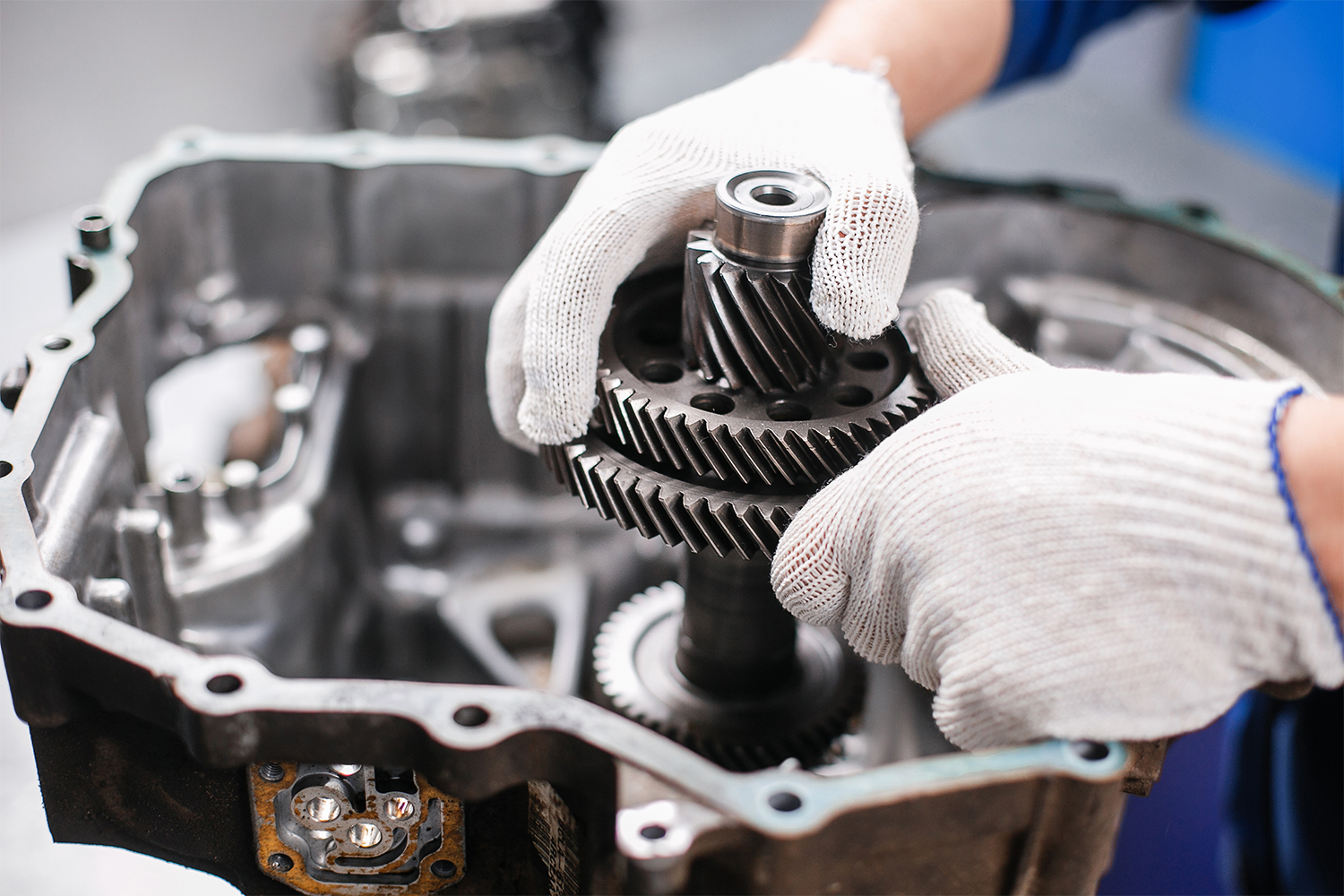
Transmission issues can feel intimidating, especially given the complexity and cost associated with repairs. Knowing what happens during transmission repairs at an auto shop helps drivers prepare, ask informed questions, and make confident decisions. From diagnosis to final testing, professional shops follow a structured process designed to restore reliability and performance.
Initial Assessment and Symptom Review
Transmission repairs begin with gathering detailed information about the problem. Technicians rely on both driver input and preliminary checks.
During this stage, the shop will:
- Ask about shifting issues, noises, or warning lights
- Note when symptoms occur, such as during acceleration or gear changes
- Review maintenance history and recent repairs
Clear communication helps narrow down potential causes early.
Diagnostic Testing and Inspection
Modern transmissions rely on mechanical, hydraulic, and electronic systems. Accurate diagnosis is essential before any repair begins.
Common Diagnostic Steps
- Electronic scanning for transmission-related fault codes
- Fluid level and condition inspection
- Road testing to observe shifting behavior
These steps identify whether the issue is electrical, hydraulic, or mechanical in nature.
Transmission Fluid Evaluation
Transmission fluid provides valuable clues about internal condition. Shops carefully assess its appearance and smell.
Technicians look for:
- Burnt odor indicating overheating
- Dark or contaminated fluid
- Metal particles suggesting internal wear
Fluid analysis helps determine whether a minor service or major repair is needed.
Explaining the Repair Options
Once diagnostics are complete, the shop presents repair findings clearly. Not all transmission issues require full replacement.
Possible Repair Paths
- Minor repairs such as sensor replacement or solenoid repair
- Fluid service and filter replacement
- Partial rebuild of affected components
- Complete transmission rebuild or replacement
Professionals explain costs, timelines, and urgency so drivers can make informed choices.
The Repair or Rebuild Process
If repairs proceed, technicians follow precise procedures to restore proper operation.
Depending on the issue, this may involve:
- Removing the transmission from the vehicle
- Replacing worn clutches, seals, or gears
- Updating software or control modules
Precision and cleanliness are critical during transmission repairs due to tight tolerances.
Reinstallation and System Calibration
After repairs, the transmission is reinstalled and calibrated. Modern vehicles often require electronic relearning procedures.
Final Setup Includes
- Refilling with correct transmission fluid
- Adjusting shift points and pressure settings
- Resetting and updating control modules
This ensures smooth, accurate shifting under all driving conditions.
Road Testing and Final Quality Check
Before returning the vehicle, shops perform extensive testing to confirm repairs.
Final checks typically involve:
- Road testing across various speeds
- Monitoring temperature and shift behavior
- Verifying warning lights remain off
This step ensures reliability and prevents repeat visits.
Why Professional Transmission Repair Matters
Transmission systems are among the most complex parts of a vehicle. Professional repair ensures accuracy, durability, and safety.
Expert service provides:
- Proper diagnosis without guesswork
- Correct parts and fluid usage
- Long-term reliability and peace of mind
Choosing a qualified auto shop protects both your vehicle and your investment.
FAQs
How long do transmission repairs usually take?
Repair time varies, ranging from a single day for minor issues to several days for rebuilds.
Is it safe to drive with transmission problems?
Driving with transmission issues can worsen damage and increase repair costs.
Are transmission repairs always expensive?
Not always. Early-stage repairs are often far more affordable than full replacements.
Will a repaired transmission feel different?
Proper repairs typically restore smooth shifting and normal performance.
Can transmission problems return after repair?
Quality repairs reduce the risk, especially when followed by proper maintenance.
Do rebuilt transmissions last as long as new ones?
In many cases, professionally rebuilt transmissions are just as reliable as new units.
What maintenance helps prevent future transmission repairs?
Regular fluid inspections, timely servicing, and smooth driving habits significantly reduce risk.