
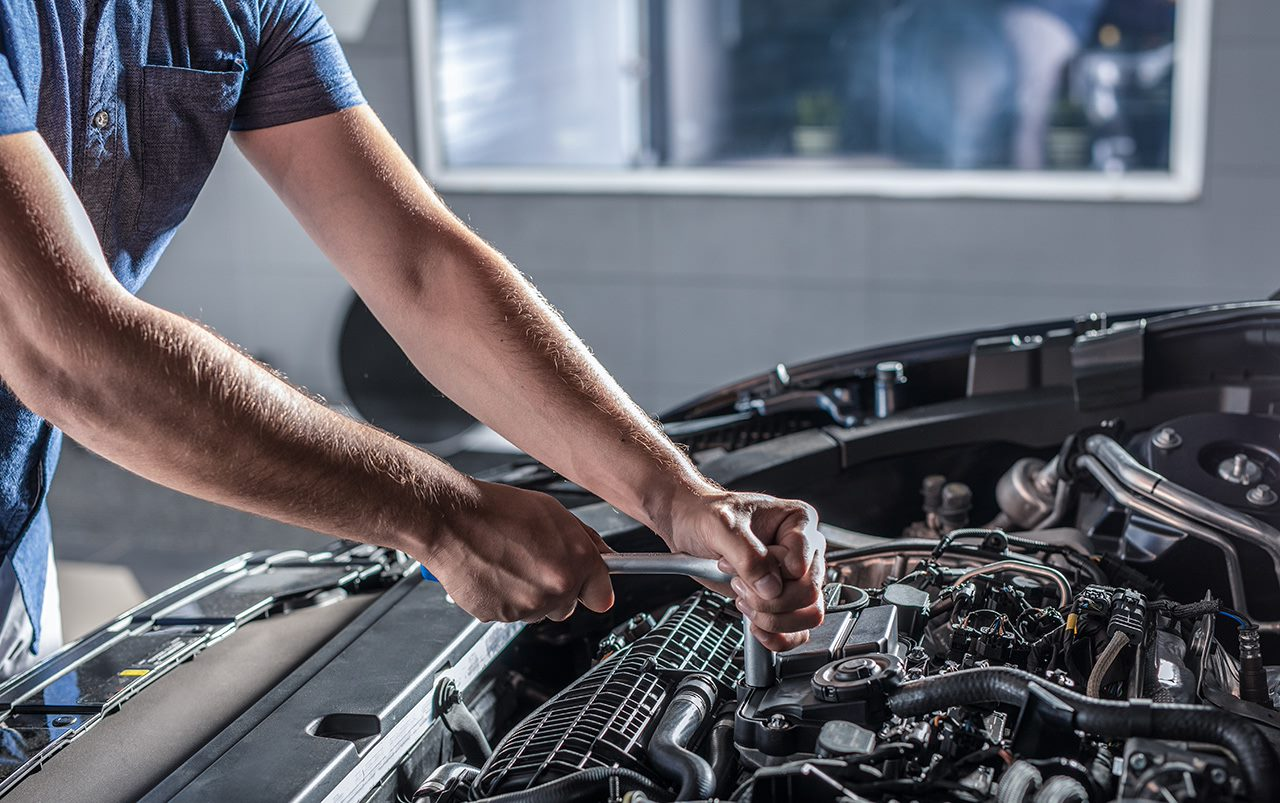
A vehicle’s engine is designed to deliver power, efficiency, and reliability, but it can only do so when all components work in harmony. Over time, normal wear and minor imbalances reduce performance. This is where regular engine tune-ups play a vital role. Tune-ups restore optimal operation, helping engines run smoother, last longer, and perform at their best.
What an Engine Tune-Up Really Involves
A tune-up is more than a quick check under the hood. It’s a systematic process focused on restoring engine efficiency and balance.
Typical tune-up services include:
- Spark plug inspection or replacement
- Air and fuel filter replacement
- Ignition system checks
- Sensor and idle adjustments
Each task targets small inefficiencies that, when left unattended, can impact overall engine performance.
How Tune-Ups Improve Engine Power
As components wear, engines lose their ability to burn fuel efficiently. Even small issues can reduce horsepower and throttle response.
Performance Benefits of Tune-Ups
- Smoother acceleration and quicker response
- More consistent engine power delivery
- Reduced hesitation during driving
By correcting ignition and airflow issues, tune-ups help engines regain lost performance.
Better Fuel Efficiency Through Regular Tune-Ups
Fuel efficiency often declines gradually, making it easy to overlook. A tuned engine burns fuel more completely, wasting less energy.
Tune-ups improve fuel economy by:
- Ensuring proper air-to-fuel ratios
- Eliminating misfires and incomplete combustion
- Reducing unnecessary engine strain
Over time, this translates into noticeable savings at the fuel pump.
Reduced Engine Wear and Tear
Engines operate under constant heat and pressure. When components fall out of sync, stress increases on internal parts.
How Tune-Ups Protect the Engine
- Prevent excessive carbon buildup
- Reduce friction caused by misfires
- Maintain proper engine timing
Lower stress means slower wear, extending the engine’s usable lifespan.
Improved Reliability and Fewer Breakdowns
Many unexpected breakdowns start as minor issues. Tune-ups address these problems before they escalate.
Regular tune-ups help prevent:
- Hard starting and stalling
- Rough idling
- Sudden loss of power
This proactive care improves reliability and gives drivers greater confidence on the road.
Cleaner Emissions and Environmental Benefits
Engines that burn fuel efficiently produce fewer harmful emissions. Tune-ups help vehicles meet emission standards and reduce their environmental footprint.
Key environmental advantages include:
- Lower carbon monoxide output
- Reduced unburned fuel emissions
- More consistent emissions system performance
A well-tuned engine is both cleaner and more efficient.
Protecting Long-Term Vehicle Value
Consistent tune-ups signal responsible ownership and help preserve engine health over time.
Long-Term Advantages
- Extended engine life
- Lower long-term repair costs
- Better resale or trade-in value
For drivers planning to keep their vehicle for years, tune-ups are a smart investment rather than an optional expense.
FAQs
How often should an engine tune-up be performed?
Most vehicles benefit from tune-ups every 30,000 to 60,000 miles, depending on driving habits and manufacturer recommendations.
Do modern cars still need tune-ups?
Yes. While modern engines require them less frequently, sensors, filters, and ignition components still need periodic attention.
Can skipping tune-ups damage the engine?
Over time, neglected tune-ups can lead to misfires, poor combustion, and increased engine wear.
Are tune-ups expensive compared to repairs?
Tune-ups are generally affordable and far less costly than repairing damage caused by long-term neglect.
Will a tune-up fix all engine performance problems?
Tune-ups address routine performance issues, but serious mechanical problems may require additional repairs.
Is there a noticeable difference after a tune-up?
Many drivers experience smoother acceleration, better fuel efficiency, and quieter engine operation.
Can tune-ups help older vehicles run better?
Absolutely. Older engines often show the most noticeable improvement after a thorough tune-up.